

Application of Laboratory Micro-Injection Pump in High-Pressure Electrospinning
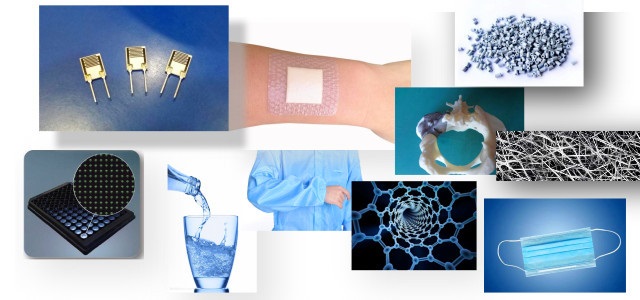
Electrospinning is the process of spinning polymer solutions under high-voltage electrostatic fields. Electrospinning can produce fibers with diameters ranging from tens to hundreds of nanometers. The resulting products have high porosity and large specific surface area, diverse composition, and uniform diameter distribution, making them highly valuable in fields such as biomedicine, environmental engineering, and textiles. Common electrospun nanofibers can be used in filtration and personal protection applications such as water treatment, protective clothing, and masks; in sensor applications, they can serve as resistive sensors and optical sensors; in the chemical industry, they can be used as catalysts; and in biomedicine, they can be applied as wound dressings, tissue engineering scaffolds, and drug carriers.
High-Voltage Electrospinning Technology
Electrospinning is a fiber production technology in which a polymer solution is subjected to an external electric field, producing polymer fibers under high-voltage electrostatic conditions (ranging from several thousand volts to hundreds of thousands of volts). Fibers produced by electrospinning are much finer than those made by traditional spinning methods, typically ranging from tens of nanometers to several micrometers in diameter, with the smallest diameter reaching 1 nm.
In the electrospinning process, the spinning needle is generally connected to the positive terminal of a high-voltage power supply, while a receiving plate or collector positioned at a certain distance from the needle is connected to the negative terminal. Under surface tension, the polymer solution forms a spherical droplet at the needle tip. As the voltage increases, the charge density on the droplet surface grows, and when the electrostatic force exceeds the surface tension, the droplet at the spinneret elongates. Once the critical voltage is reached, the liquid transforms from a spherical to a conical shape, known as a Taylor cone. As the voltage continues to increase and the electrostatic force exceeds the equilibrium critical value, the liquid overcomes the surface tension at the droplet surface and moves toward the collector, undergoing acceleration, multiple elongation and splitting processes, ultimately forming nanofibers on the collector.
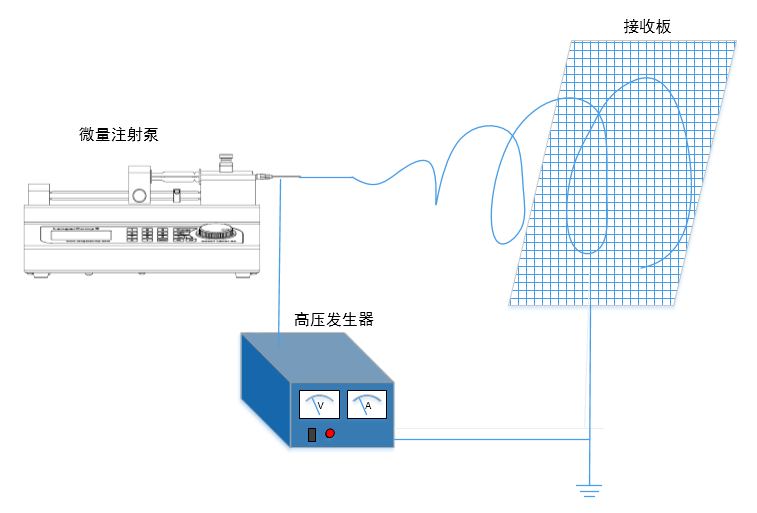
Schematic Diagram of Electrospinning Device
The electrospinning apparatus mainly consists of a syringe pump, a syringe, a high-voltage power supply, and a receiving device. Among them, the positive and negative electrodes of the high-voltage power supply are connected to the syringe needle and the receiving device, respectively. The form of the receiving device is also diverse; it can be a stationary plane, a high-speed rotating drum, a disc, or specially shaped support molds. The parameters set for electrospinning and environmental conditions are crucial to the outcome of the spinning process.
Factors Affecting Electrospinning
There are many factors and process parameters that affect electrospinning, which can be classified into two categories:
① System factors, including the polymer's molecular weight, molecular weight distribution, and solvent properties such as viscosity, conductivity, dielectric constant, and surface tension.
② Electrospinning process parameters, including the applied electric field strength, solution concentration, solution flow rate, nozzle size, distance between the nozzle and the collector, and environmental conditions (temperature, humidity, airflow rate). Among these, the choice of solvent, stability of injection speed, solution concentration, applied electric field strength, and the distance between the nozzle and collector are the primary factors affecting electrospinning.
Product Recommendation >
-
GXA100/WX10 - T10
Technical Specifications Channels 10; The master controller can control up to 32 channels, which can be set with individual parameters
View Details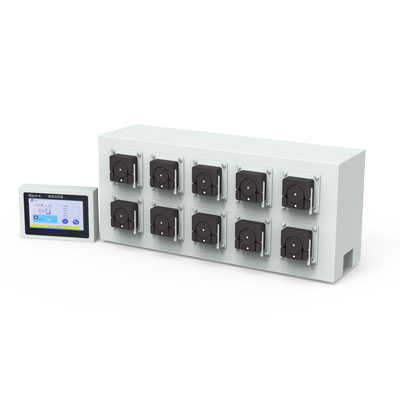
-
Viton Pure fluororubber peri
Black opaque; Masterflex Viton fluoroelastomer tubing, resistant to ozone, weathering, corrosive chemicals, oils, fuels, solvents, and most mineral acids;Opera
View Details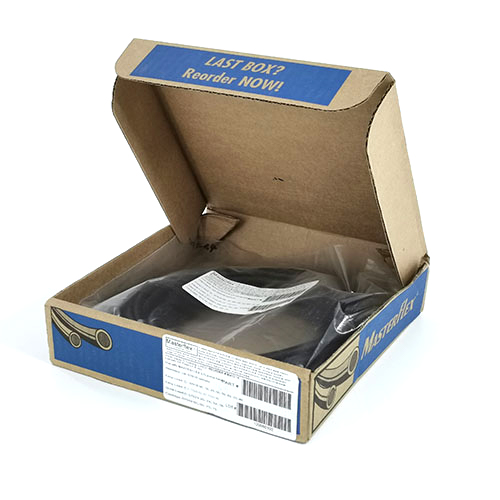
-
Chemical Lined coating doubl
TYGON® Chemical peristaltic pump tubing, as a high-performance co-extruded product, uses a special formulation that combines chemical resistance and pump t
View Details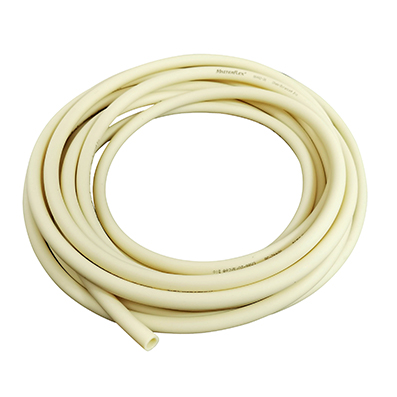
-
A-60-G Industrial-grade peri
TYGON® A-60-G significantly outperforms neoprene hoses, EPDM hoses, and other general-purpose hoses in repeated testing and applications.Even when exposed
View Details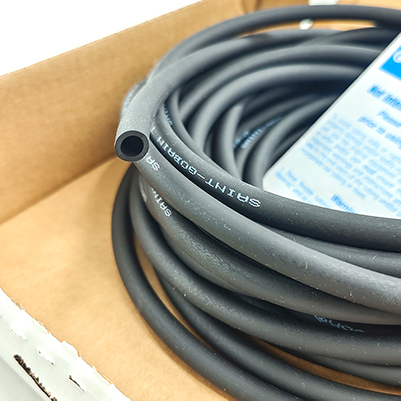
Related News
- What is a peristaltic pump used for?
- High-Flow Peristaltic Pump
- Relationship Between Peristaltic Pump Head and Flow Rate
- Masterflex Peristaltic Pump Tubing
- What classification does a peristaltic pump belong to?
- Peristaltic Pump Tube Size Reference Table
- Imported Peristaltic Pump Hoses
- Rotational Speed of Peristaltic Pumps
- Precautions for Selecting Peristaltic Pump Tubing
- The Effect of Liquid Viscosity on Peristaltic Pump Flow


