

Application of peristaltic pump in CEMS continuous emission monitoring system
Application of peristaltic pump in CEMS continuous emission monitoring system
Continuous Emission Monitoring System (CEMS) refers to a device that continuously monitors the concentration and total amount of gaseous pollutants and particulate matter emitted from air pollution sources and transmits the information to the competent authorities in real time.
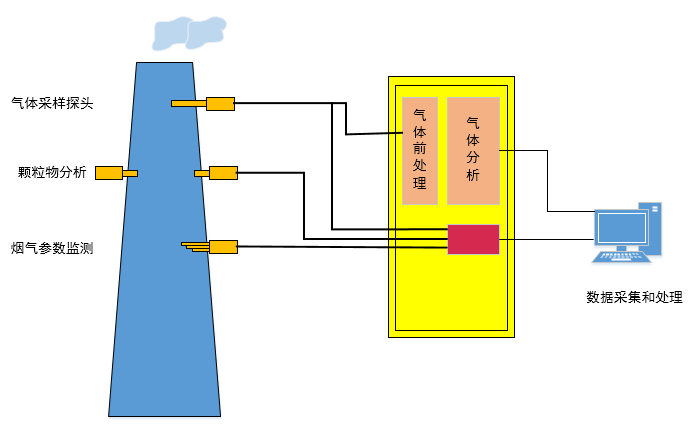
CEMS consists of gaseous pollutant (SO2, NOX) monitoring subsystem, particulate matter (dust) monitoring subsystem, flue gas parameter measurement subsystem, data acquisition and processing subsystem, data communication system, etc. Through on-site sampling, the concentration of pollutants in the flue gas is measured, and the temperature, pressure, flow rate, humidity, oxygen content and other parameters of the flue gas are measured, and the emission rate and emission rate of flue gas pollutants are calculated.
Typical needs
The automatic flue gas monitoring system requires the flue gas to condense the flue gas for gas-water separation and discharge the condensate from the system before it enters the gas analyzer.
This prevents the gas analyzer and its components from being corroded due to excessive flue gas humidity. Gas monitoring requires strict sealing of the monitoring system, so the condensate discharge system is required to have good sealing to prevent outside air from entering the condenser through the drainage system and affecting the sample gas composition.
The chemical composition of condensate is complex and corrosive, and when the sample gas filtration effect is not good in the early stage, the condensate will also contain solid particles, so the condensate discharge system is required to have good anti-corrosion performance and is suitable for abrasive fluids.
Application value
Peristaltic pump products have good sealing performance, wide flow range, strong self-priming ability and stability, when transporting fluid, the fluid only contacts the hose, by selecting corrosion-resistant hoses can be used to transmit various corrosive fluids, and by selecting wear-resistant hoses can be used to transmit abrasive fluids. Peristaltic pump products have a variety of control methods, which are easy to integrate with system control and complete the condensate drainage function in real time.
1. Good air tightness prevents outside air from entering the condenser through the drainage system
The peristaltic pump itself has good air tightness, no need to resort to valves, no liquid backflow and siphoning, and the hose will be well sealed due to extrusion even when the pump is not running.
2. It can discharge condensate in time and effectively
The peristaltic pump has a strong self-priming capacity up to 0.95 Bar, suitable for vacuum environments with a minimum pressure of -0.95 Bar (g)
The peristaltic pump has a variety of drainage methods, the fixed speed peristaltic pump has a stable drainage flow, and the speed regulating peristaltic pump can change the drainage speed according to the actual water volume to achieve timely drainage function
The peristaltic pump has a variety of control methods, through RS485 communication control, analog signal control and other methods to control the operating state of the pump, which is convenient to integrate with the system control and complete the condensate drainage function in real time.
3. Suitable for discharging condensate containing solid particles
When peristaltic pumps transfer fluid, the fluid only comes into contact with the inner cavity of the hose, and the hose made of wear-resistant material is selected, which can be used for long-term transfer of abrasive condensate.
Soft particle size< 25%*ID (tube diameter)
Hard particle size<5%*ID (tube diameter)
4. Suitable for discharging corrosive condensate
When peristaltic pumps transport fluid, the fluid only comes into contact with the inner cavity of the hose, and the hose made of suitable corrosion-resistant material can be used to transport corrosive condensate for a long time.
5. Good fluid transmission reliability and simple maintenance
Peristaltic pumps transfer fluids without valves and seals, and do not fail to damage the pump due to dry operation
Peristaltic pump hose replacement is simple and convenient, and maintenance is low
Recommended model OEM TH15 series
Product Recommendation >
-
GXA100/WX10 - T10
Technical Specifications Channels 10; The master controller can control up to 32 channels, which can be set with individual parameters
View Details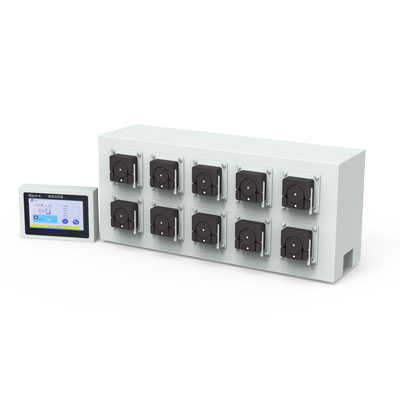
-
Viton Pure fluororubber peri
Black opaque; Masterflex Viton fluoroelastomer tubing, resistant to ozone, weathering, corrosive chemicals, oils, fuels, solvents, and most mineral acids;Opera
View Details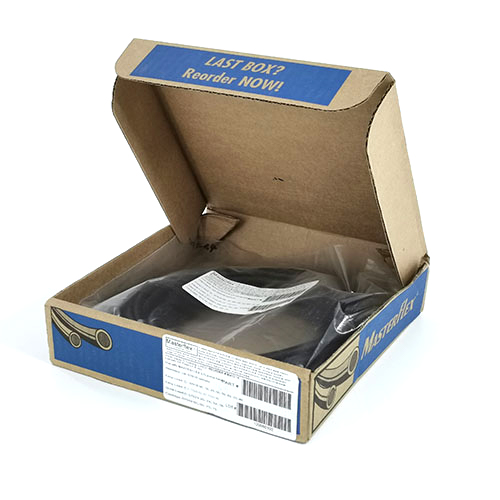
-
Chemical Lined coating doubl
TYGON® Chemical peristaltic pump tubing, as a high-performance co-extruded product, uses a special formulation that combines chemical resistance and pump t
View Details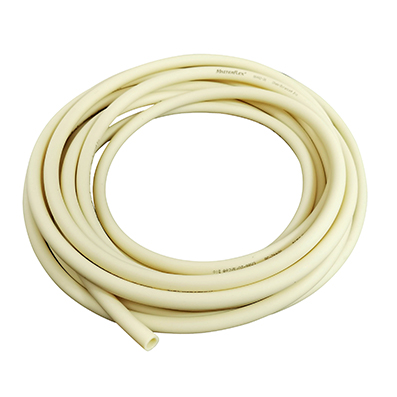
-
A-60-G Industrial-grade peri
TYGON® A-60-G significantly outperforms neoprene hoses, EPDM hoses, and other general-purpose hoses in repeated testing and applications.Even when exposed
View Details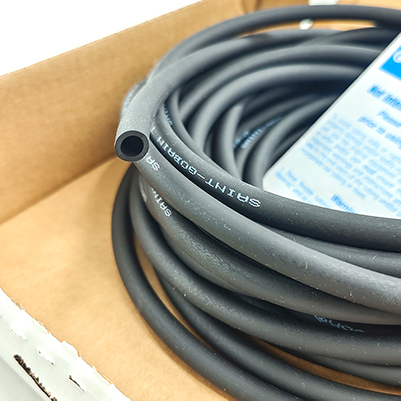
Related News
- What is a peristaltic pump used for?
- High-Flow Peristaltic Pump
- Relationship Between Peristaltic Pump Head and Flow Rate
- Masterflex Peristaltic Pump Tubing
- What classification does a peristaltic pump belong to?
- Peristaltic Pump Tube Size Reference Table
- Imported Peristaltic Pump Hoses
- Rotational Speed of Peristaltic Pumps
- Precautions for Selecting Peristaltic Pump Tubing
- The Effect of Liquid Viscosity on Peristaltic Pump Flow


